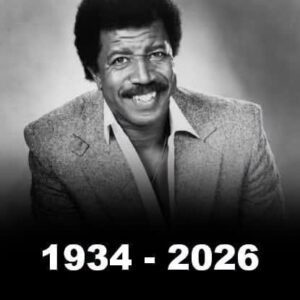
The passing of Oliver Power Grant at the age of 52 has prompted a wave of reflection across the hip-hop community, particularly among those who understand the importance of figures who work beyond the spotlight. While mainstream attention often gravitates toward performers and front-facing artists, the foundation of any lasting movement is frequently built by individuals whose contributions unfold behind the scenes. Grant was one of those figures, someone whose vision and strategic thinking played a crucial role in shaping the early trajectory of the Wu-Tang Clan. His influence was not defined by verses or stage presence, but by his ability to recognize potential, organize ideas, and help translate raw talent into a structured and sustainable cultural force. In many ways, his work exemplified the kind of leadership that operates quietly but leaves a lasting imprint on everything it touches.
During the early 1990s, when hip-hop was still carving out its place within the broader music industry, the formation of the Wu-Tang Clan represented something both innovative and disruptive. The group’s collective structure, combined with its unique artistic identity, set it apart from traditional models of music collaboration. Grant’s involvement during this formative period helped reinforce the group’s direction, particularly in areas that extended beyond music itself. He understood that the potential of the collective was not limited to recordings or performances, but could evolve into something far more expansive. This perspective aligned with the ambitions of key members such as Method Man and GZA, who would later become central figures in the group’s continued success. Together, they contributed to a vision that blended creativity with independence, laying the groundwork for a model that many artists would later seek to replicate.
One of the most defining aspects of this vision was the emphasis on ownership and entrepreneurial control, an idea that was not yet widely embraced within the music industry at the time. Rather than relying entirely on traditional label structures, the collective explored ways to maintain authority over their work and expand their influence into other areas. Grant played a meaningful role in supporting these efforts, particularly through his involvement in the development of Wu Wear, a clothing line that became one of the earliest examples of artist-driven fashion in hip-hop. This venture demonstrated that music could serve as a foundation for broader cultural expression, bridging the gap between sound, identity, and style. The success of the brand not only reinforced the group’s presence but also signaled a shift in how artists could approach their careers, inspiring others to think beyond traditional boundaries and explore new forms of creative and financial independence.
THE STORY CONTINUES ON THE NEXT PAGE… 👇👇👇