It was not a bill. It was a letter, and I had written it carefully. It said I loved my grandchildren and wanted to keep seeing them, but from now on, I would help on days we agreed on in advance, never as an assumption. It listed the weekends I could babysit and the ones I needed for myself. Below that, I had written one more line. Whoever asks for my time must also ask whether I have eaten, whether I need a ride, and whether I am welcome to stay for dinner.
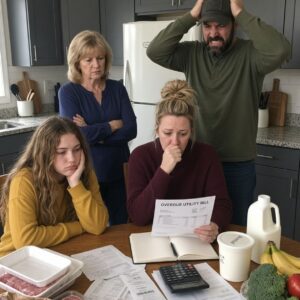
My son read it twice and set it down slowly. His wife looked at her hands. I told them I was not angry, only tired of being invisible. Then my son said something I had waited years to hear. He admitted he had never once asked himself how I got home, because I always made it look easy. His wife’s eyes filled with tears, and she apologized for whispering in his ear that night, saying she had been embarrassed and exhausted.
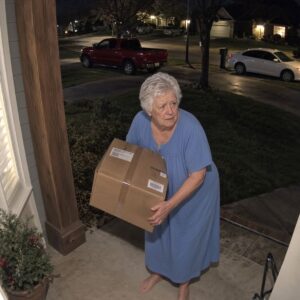
I stayed that evening and cooked, but this time we ate together. My son drove me home afterward, and neither of us said much, though he gripped the wheel gently. The next Saturday, he called to ask if I was free. When I said yes, he asked about dinner first. At the table, my granddaughter handed me a drawing of three people holding hands, and I hung it on my fridge.